Brenda Mendes Da Silva, Saudade Design
The construction sector in the Balearic Islands is experiencing a significant transformation. New legislative changes, stricter environmental regulations, and an influx of international property owners present both challenges and opportunities. To better understand this evolving landscape, we spoke to Brenda Mendes Da Silva, architect and co-founder of Saudade Design Studio, a firm specialising in holistic, sustainable, and tailored projects in the Balearic Islands.
Legalising the illegal: an opportunity, but no guarantee
One major issue is Decree-Law 3/2024. It regulates the legalisation of buildings in rural areas that breach planning rules but are time-barred. Brenda explains that, while seen as an ‘amnesty’ by many, not every dwelling can be legalised. Many requirements and conditions apply, and the process can take more than 2.5 years.
The key requirements include:
- The building must be more than 8 years old.
- There must be no previously reported breaches.
- The owner must pay a fine of between 10% and 15% of the dwelling’s value.
- They must carry out measures to improve the building’s energy efficiency.
- An architect and a civil engineer must sign a legalisation plan. A building completion certificate is also required.
However, the certificate of habitability is not always granted, especially for properties in high-risk areas such as flood or fire zones. “We can guarantee our process, but not the result,” Brenda notes.
Increase in Market Value
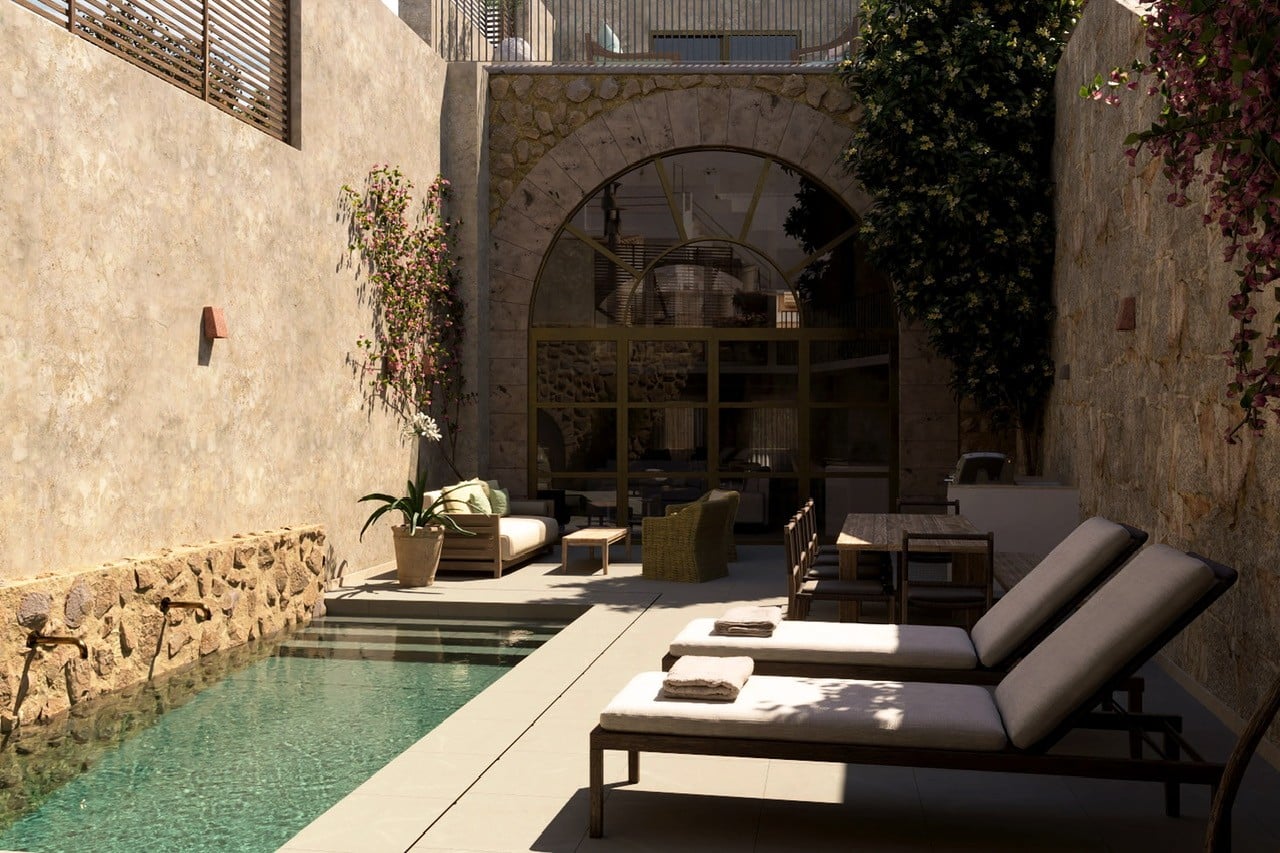
The process costs are considerable. For a 250 m² dwelling, costs can reach about €100,000. Still, Brenda Mendes Da Silva says, “the market value can rise by up to 35% once the owners obtain the certificate of habitability.” For this reason, Saudade Design carefully reviews each case before starting:
They analyse planning documents, consult authorities, verify cadastral details and land registry extracts, and assess regulations for floodplains and risk zones. “Being transparent from the beginning is crucial. Making false assurances serves no one. We ensure clarity in a process that often leads to frustration,” Brenda notes.
Many owners, especially expats, are surprised to learn that their property is illegal, even when they follow all proper channels, such as using a notary, registering the property, and buying through an agent. Brenda notes there are now several ways to check the year of construction, from council archives to satellite imagery. “Sometimes it’s not only the pool that’s illegal, but the whole house.”
To explain these issues, the studio advises estate agents and helps avoid surprises in transactions. They also urge owners to seek expert advice. The legalisation process is neither quick nor guaranteed. It is a long-term investment.
Transforming business premises into living spaces – is it worth the effort?
Another widely discussed issue is the conversion of business premises into residential units, as addressed by Decree-Law 6/2023. The housing shortage in the Balearic Islands makes this an option, but Brenda cautions: “It’s not just about removing walls and adding a kitchen. Strict technical and legal standards must be met.”
Investing in such a conversion can cost up to €150,000 for a 50 m² shop in poor condition. Also, these flats fall under the social housing scheme, so they are subject to rent control and offer lower investment returns. “We call these ‘Frankenstein renovations.’ They’re functional, but rarely attractive,” she jokes.
Architecture with a soul: landscape design and sustainability
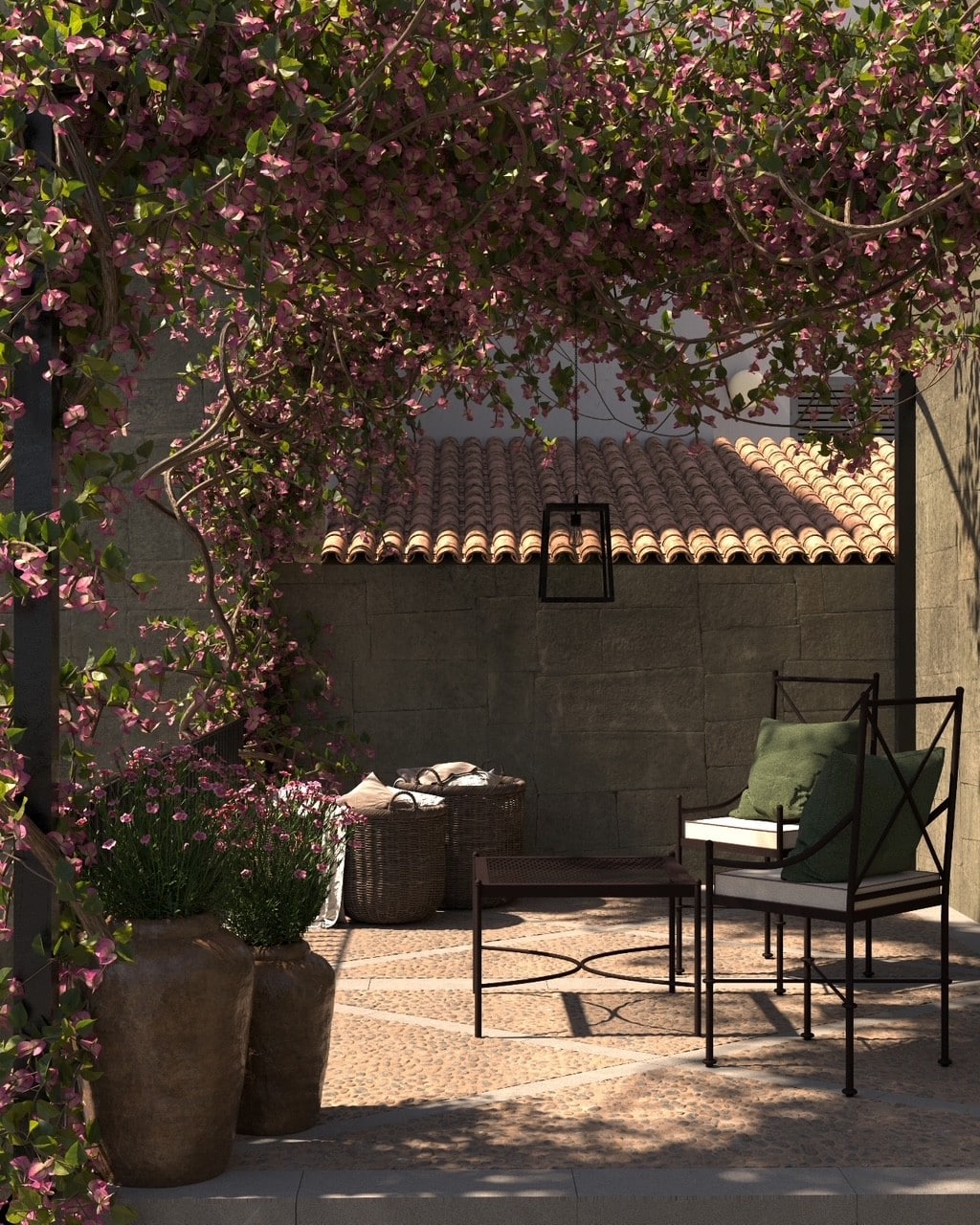
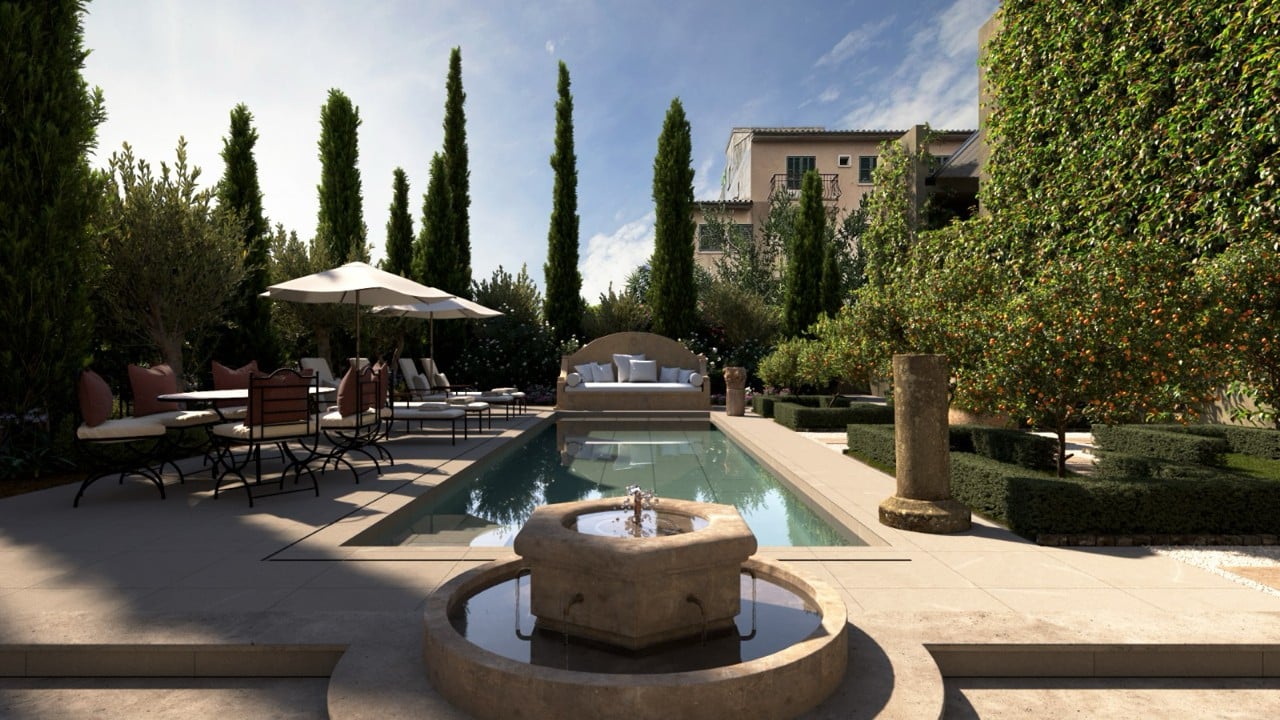
Aside from regulatory challenges, Saudade Design distinguishes itself through its artistic and sustainable philosophy. The firm’s unique advantage is in Mediterranean garden design, integrated from the project’s inception. “We use local, drought-resistant plants, efficient irrigation systems, and traditional dry stone wall techniques crafted by local margers,” Brenda, a landscape architecture master’s degree holder, explains.
This lets them create vibrant, beautiful, and practical spaces that are eco-friendly and use less water. “A beautiful garden need not mean lots of work. It’s about working with nature, not against it,” Brenda adds.
Protection beyond architecture
At Dylsi, we believe that transformation—urban, legal, or landscape—needs planning and protection. That’s why we offer specialised insurance, from home insurance to indemnity for professionals. Contact us so that we can advise on the best cover for you and your business. Protecting a project also protects those behind it.
Thanks to Brenda Mendes Da Silva, cofounder of Saudade Design Studio, for her input for this article. How to contact Saudade Design:
Web: Saudade Design
Phone: (0034) 604 12 19 25
Email: info@desenhosaudade.com
Socials: LinkedIn Instagram Facebook
Languages: