
Freight insurance is a key tool for protecting a company’s goods whilst they are in transit. Below, we will look at the key points and what freight insurance covers. Transporting products, materials or machinery is part of the day-to-day operations of many companies. However, from the moment the goods leave their point of origin until they reach their destination, they may be involved in an accident, stolen, broken or damaged whilst being handled.
These situations can lead to significant financial losses, delay a delivery and damage the relationship with the customer. Taking out goods-in-transit insurance protects the value of the goods whilst they are in transit and reduces the impact that an incident might have on the business.
If you want to know what goods-in-transit insurance covers, who should take out a policy, or whether the carrier’s liability is sufficient, below we address the main questions that usually arise before choosing a policy.
What is freight insurance?
Freight insurance is a policy designed to protect goods against certain types of damage, loss or theft that may occur whilst they are in transit.
Cover may commence when the goods leave the place of origin and continue until they reach the agreed destination. Depending on the terms of the policy, it may also include loading and unloading operations and certain types of intermediate storage.
This insurance can be tailored to cover transport by land, sea, air or multimodal transport, where several modes are combined in a single operation. It also provides cover for both the policyholder’s own goods and those belonging to third parties, depending on the activity and the type of cover taken out.
For this reason, it is useful for hauliers, logistics operators, manufacturers, distributors, importers, exporters and companies that transport their own goods.
Who should take out freight insurance?
Any business or professional that sends, receives or transports goods may be at risk of loss whilst in transit. This type of insurance is not exclusively for large transport companies.
It may also be necessary for an online shop that makes daily deliveries, a company that distributes its products, a self-employed person who transports materials, or a company that occasionally ships machinery.
This protection is particularly important when transporting fragile, perishable or chilled goods, machinery, electronic equipment or high-value goods. It should also be taken into account when making frequent journeys between the Balearic Islands, the Spanish mainland and other countries.
What does freight insurance cover?
To understand what goods-in-transit insurance covers, it is important to bear in mind that the cover provided depends on the type of cover and the terms and conditions agreed:
• Accidents during transport
It can cover damage caused by accidents, collisions, rollovers, fires or explosions whilst the vehicle is in transit.
• Theft or loss of goods
The policy can provide cover against total or partial theft, as well as against the loss of the goods being transported.
• Accidental breakages and damage
This may include knocks, breakages, items falling out, items getting wet, spills and other damage caused during transit.
• Loading and unloading
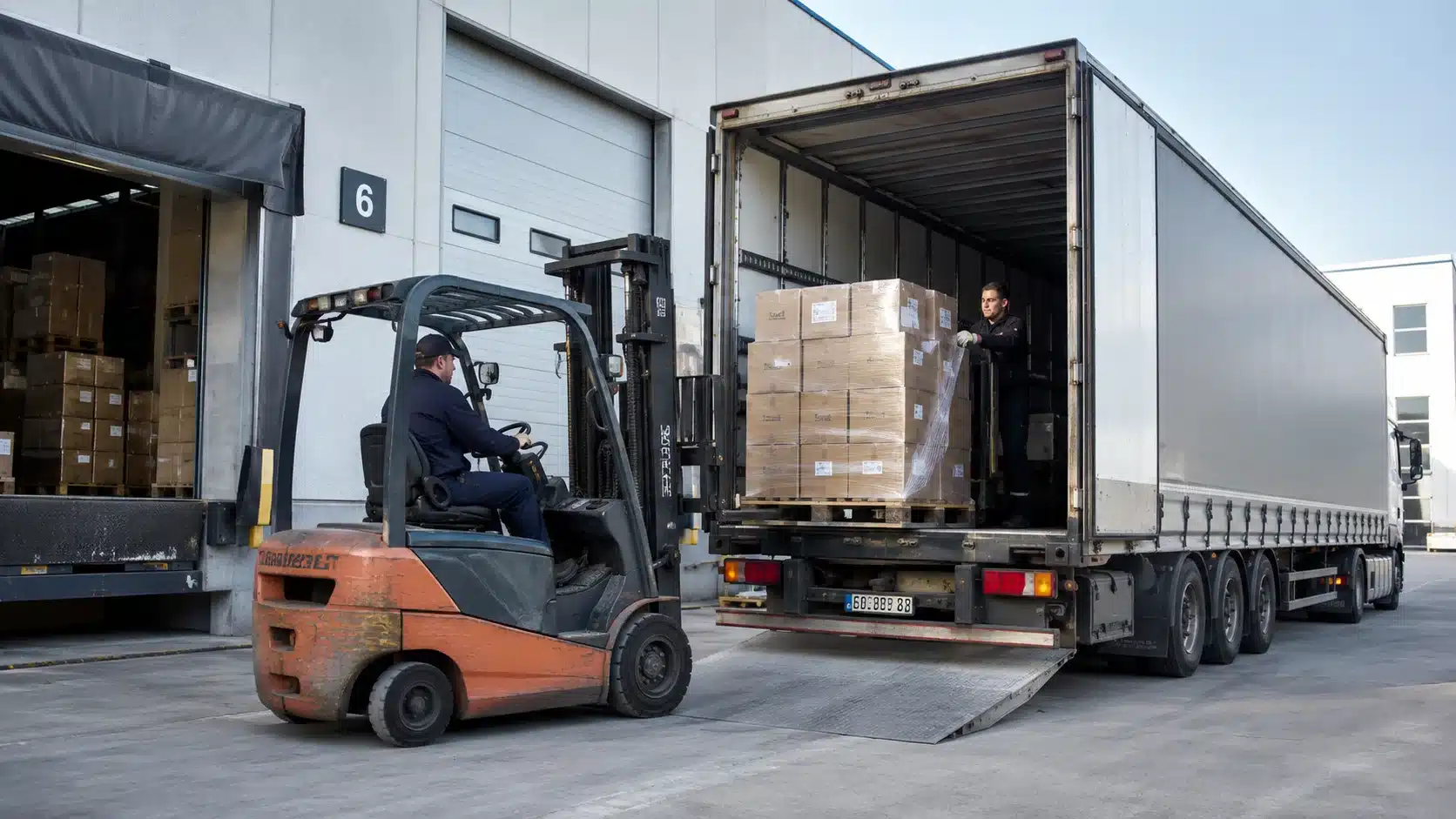
Some policies cover damage caused during the loading, handling and unloading of goods.
• Intermediate storage facilities
Cover may be maintained for specific periods of storage relating to transport, provided that these are included in the terms and conditions.
Special goods
Perishable, chilled and fragile goods, machinery and high-value goods may require specific cover, such as cover for breakdowns of refrigeration systems.
• Limits and exclusions
Having comprehensive cover does not mean that every incident is automatically covered. That is why it is important to check which situations are covered, what the sum insured is, and what excess would apply in the event of a claim.
What situations might be excluded from the policy?
As well as knowing what goods-in-transit insurance covers, it is essential to check the policy’s exclusions. The insurance may not cover damage resulting from inadequate packaging, natural deterioration, normal wastage or delays in delivery.
Goods other than those declared, unreported routes or damage caused by improper storage may also be excluded. The necessary conditions will depend on the type of product, as transporting machinery involves a different risk to that of transporting chilled food or fragile items.
To avoid problems when making a claim, it is important to correctly declare the nature, value and conditions of carriage of the goods. The information provided must reflect the company’s actual business activities.
Cargo insurance and carrier’s liability – are they the same thing?
A carrier’s liability and freight insurance are not the same thing.
The carrier’s civil liability arises where the carrier is liable for damage or loss, but compensation may be limited by legislation, the contract or the circumstances of the incident.
Freight insurance aims to protect the value of the insured goods within the limits of the policy. If a company is transporting machinery valued at 40,000 euros, the carrier’s liability may not cover its full value.
Furthermore, if the carrier is not liable for the incident, their insurance may not cover it. Therefore, to fully understand what freight insurance covers and what protection it offers against the carrier’s liability, it is advisable to analyse who bears each risk, what the actual value of the goods is, and what protection the company requires.
Travel insurance or annual policy
The most suitable method depends on the frequency of transport and the characteristics of the goods.
Travel insurance is designed for companies or professionals undertaking a specific expedition. It can be useful for the occasional transport of machinery, furniture, materials or high-value goods. The cover is tailored according to the point of origin, the destination, the means of transport and the declared value.
The annual policy is aimed at businesses that make frequent shipments. It allows shipments to be insured under agreed terms, thereby avoiding the need to take out a separate policy for each consignment.
It may be a suitable option for manufacturers, distributors, e-commerce businesses, importers, exporters and logistics operators. However, the choice should not be based solely on the number of consignments. The type of goods, their value and the routes used must also be taken into account.
How much does freight insurance cost?
There is no single price, as the cost is calculated based on the risk associated with each activity and the level of cover required. As well as understanding what goods-in-transit insurance covers, it is important to assess the level of cover that each business actually needs.
The type and value of the goods are two of the most important factors. Electronic goods, chilled food, fragile goods or precision machinery may require special conditions.
The mode of transport, the point of origin and destination, the distance of the journey, the number of consignments and whether loading, unloading or storage operations are involved are also taken into account.
The claims history, the safety measures in place, the cover limits and the excess may also affect the final price.
An international route involving several changes of transport presents different risks to a direct road journey. Similarly, ensuring a shipment arrives on time is not the same as insuring all transport operations carried out over the course of a year.
Simply choosing the cheapest option may mean overlooking significant risks. The aim should be to strike a balance between the cost of the policy, the value of the property and the financial consequences of a claim.
Benefits of taking out freight insurance with Dylsi
At Dylsi, we do not start with a standard solution. Before proposing a policy, we analyse the company’s operations, the type of goods, the routes travelled and the potential consequences of a loss.
Taking out freight insurance with Dylsi offers a number of benefits:
- Preliminary risk analysis. The operational procedures are examined to identify situations that may affect the goods.
- Tailored cover.The cover, limits and sums insured are tailored to the business’s actual needs.
- RiskMap methodology. Transport security formspart of a broader analysis of assets, civil liability and business continuity.
- Support during the recruitment process. The team explains the terms and conditions so that the company knows exactly what it is hiring.
- Support in the event of a claim. Dylsi guides customers through the process of gathering the documents, photographs and reports required to process the claim.
- Personalised service. The company has a specialist team that supports customers before, during and after they take out a policy.
The aim is not simply to take out yet another policy, but to design cover that is tailored to the business and to ensure that an incident during transport does not jeopardise the stability of the business.
What should I do if the goods arrive damaged?
As well as understanding what goods-in-transit insurance covers, it is important to know how to respond when damage or loss occurs. In such cases, it is advisable to act swiftly and keep all available evidence.
It is recommended that you note the condition of the goods on the delivery note and take photographs before handling them. It is also advisable to retain the affected products and their packaging until further notice.
The incident must be reported as soon as possible. It will normally be necessary to provide the invoice, the transport document, the delivery note and any information that will help to determine the cause and extent of the damage.
You should not repair, dispose of or return products without consulting us first. Handling the matter correctly from the outset can facilitate the assessment and speed up the process.
Protect your goods and ensure business continuity
An accident during transport can result in much more than just the loss of a product. It can also lead to delays, customer complaints, cash flow problems and damage to the company’s reputation.
For this reason, as well as understanding what goods-in-transit insurance covers, choosing the right policy should not be limited to comparing prices. It is necessary to analyse what goods are being transported, their value, the routes they take and the risks involved at each stage.
At Dylsi, we analyse your operations before recommending a solution. If you’d like to find out whether your parcels are properly protected, please contact our team and request a personalised analysis.